Protecting Healthcare Workers Beyond the Hospital Walls

Healthcare is no longer confined to the hospital. Today's caregivers support patients across outpatient clinics, physician offices, home health settings, and other community-based environments. While this expanded care model improves access and convenience for patients, it also introduces new safety challenges. Risks don't disappear when staff leave the hospital. In fact, caregivers may face increased vulnerability when working alone, traveling between locations, entering unfamiliar environments, or moving through areas such as parking garages, stairwells, and other spaces where immediate assistance may not be readily available.
The Safety Risks Facing Healthcare Workers Beyond Traditional Care Settings
For home health nurses and healthcare workers providing care in the community, safety risks can look very different than they do inside a hospital. According to the U.S. Occupational Safety and Health Administration (OSHA) healthcare workers are 4–5 times more likely to suffer workplace violence injuries than workers in private industry overall. OSHA recognizes healthcare and social service workers as facing an elevated risk of workplace violence, particularly when working in uncontrolled environments. Home visits often place caregivers in unfamiliar settings where they may be interacting with patients, family members, or others present in the home without immediate access to colleagues, security personnel, or emergency support. recognizes healthcare and social service workers as facing an elevated risk of workplace violence, particularly when working in uncontrolled environments. Home visits often place caregivers in unfamiliar settings where they may be interacting with patients, family members, or others present in the home without immediate access to colleagues, security personnel, or emergency support.
These risks are significant. A study published by PubMed Central found that 53.3% of home healthcare workers experienced at least one violent incident within the past year, with verbal abuse reported as the most common form of workplace violence. Incidents may involve patients, family members, or others present in the home, creating unpredictable situations that can quickly escalate.
As healthcare delivery continues to expand beyond hospital walls, organizations must consider how to better protect staff in these environments. Providing caregivers with a fast, discreet way to request assistance can help improve confidence, enhance personal safety, and ensure support is available when it is needed most.
Why Traditional Duress Coverage May Not be Enough
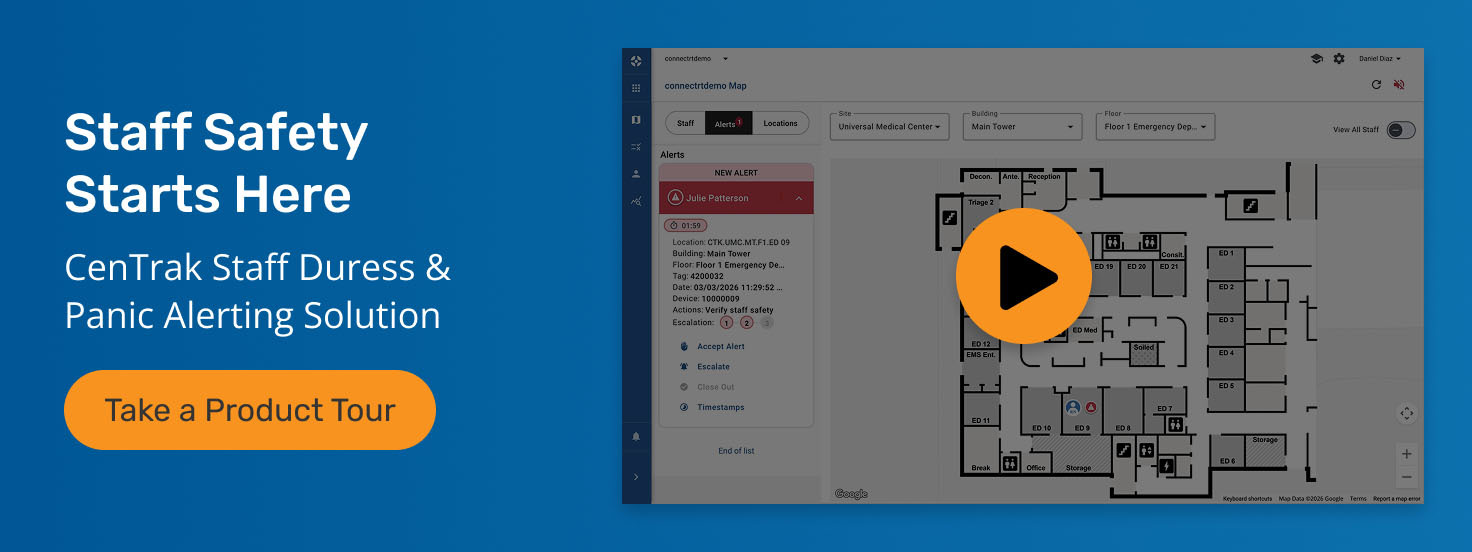
Duress buttons, fixed panic alarms, and facility-based safety systems play an important role in protecting healthcare workers within hospitals and clinics. However, healthcare delivery is increasingly extending beyond traditional care settings. Home health visits, community-based care, satellite clinics, parking facilities, and travel between locations can create situations where staff may be separated from immediate support resources. As organizations evaluate workplace violence prevention strategies, it's important to consider whether safety programs provide protection wherever care is delivered.
A safer healthcare environment is always within arm's reach. Schedule a demo today.
For example, parking garages are often a part of healthcare workers’ daily routine, especially during early mornings, late evenings, overnight shifts, or weekend coverage. Staff may be walking alone or moving between buildings without immediate visibility from fellow staff or security. These areas, while seemingly disconnected from the main hospital walls, are still part of the work environment, and safety in these locations should receive the same attention and be included within the organization’s overall safety perimeter. Mobile duress functionality becomes especially valuable in these situations, helping extend protection beyond traditional coverage areas.
How Mobile Safety Technology Can Extend Protection
As healthcare organizations expand care delivery beyond the hospital, many are exploring mobile safety technologies that allow caregivers to discreetly request assistance regardless of their location. Unlike traditional fixed-point systems, mobile solutions can help extend safety coverage to community-based environments, enabling organizations to support staff wherever their work takes them.
Location Awareness and Intelligent Coverage
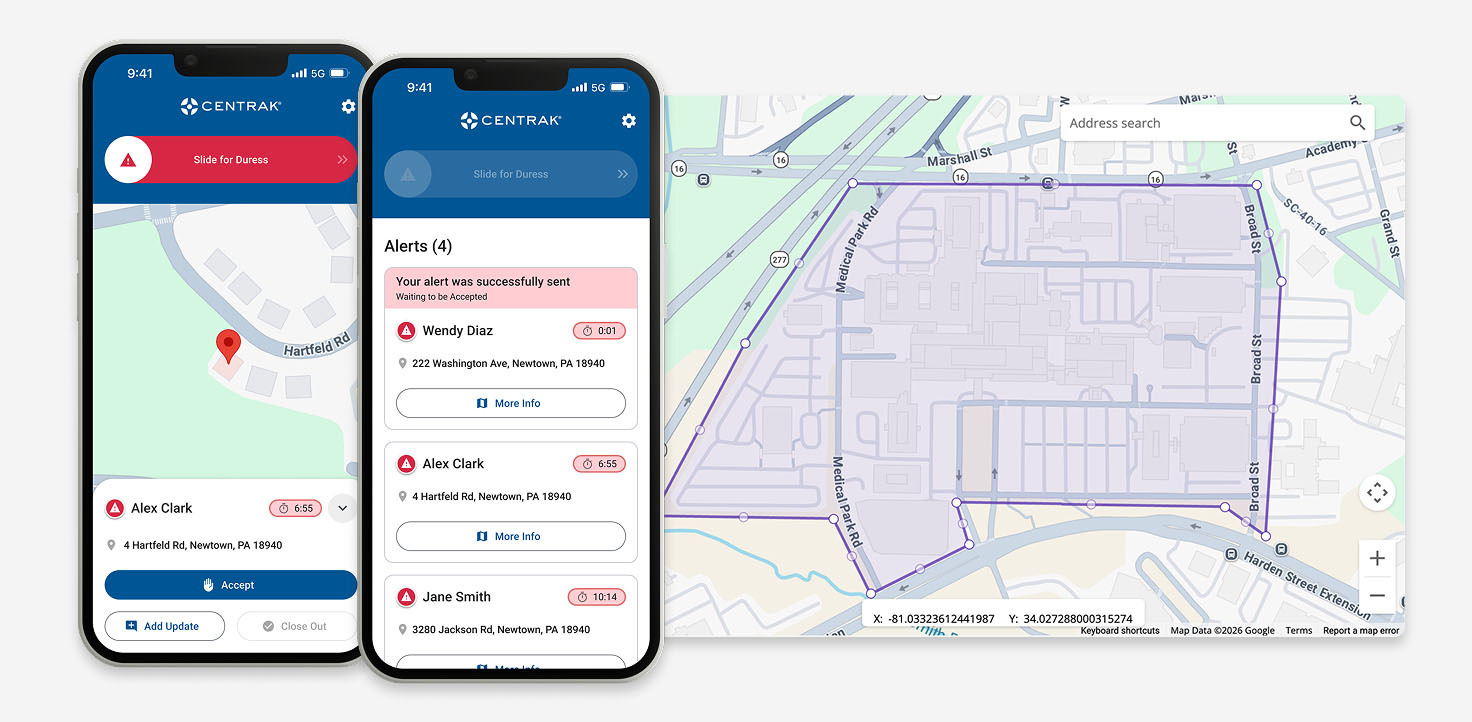
One of the challenges of protecting healthcare workers is ensuring assistance can be quickly directed to the right location. Modern mobile safety solutions often leverage location-aware technologies to help responders identify where an incident is occurring and coordinate an appropriate response.
Organizations may also benefit from configurable coverage models that align safety protections with operational needs, including:
Time-based protection: Safety monitoring can be aligned with staff schedules and assigned work hours, helping organizations provide coverage when employees are actively working.
Geographic coverage areas: Organizations can define areas where safety protections should remain active, supporting caregivers across campuses, community settings, and other approved work locations.
Location visibility: Providing responders with accurate location information during a duress event improves situational awareness and support faster, more effective response efforts.
Reporting
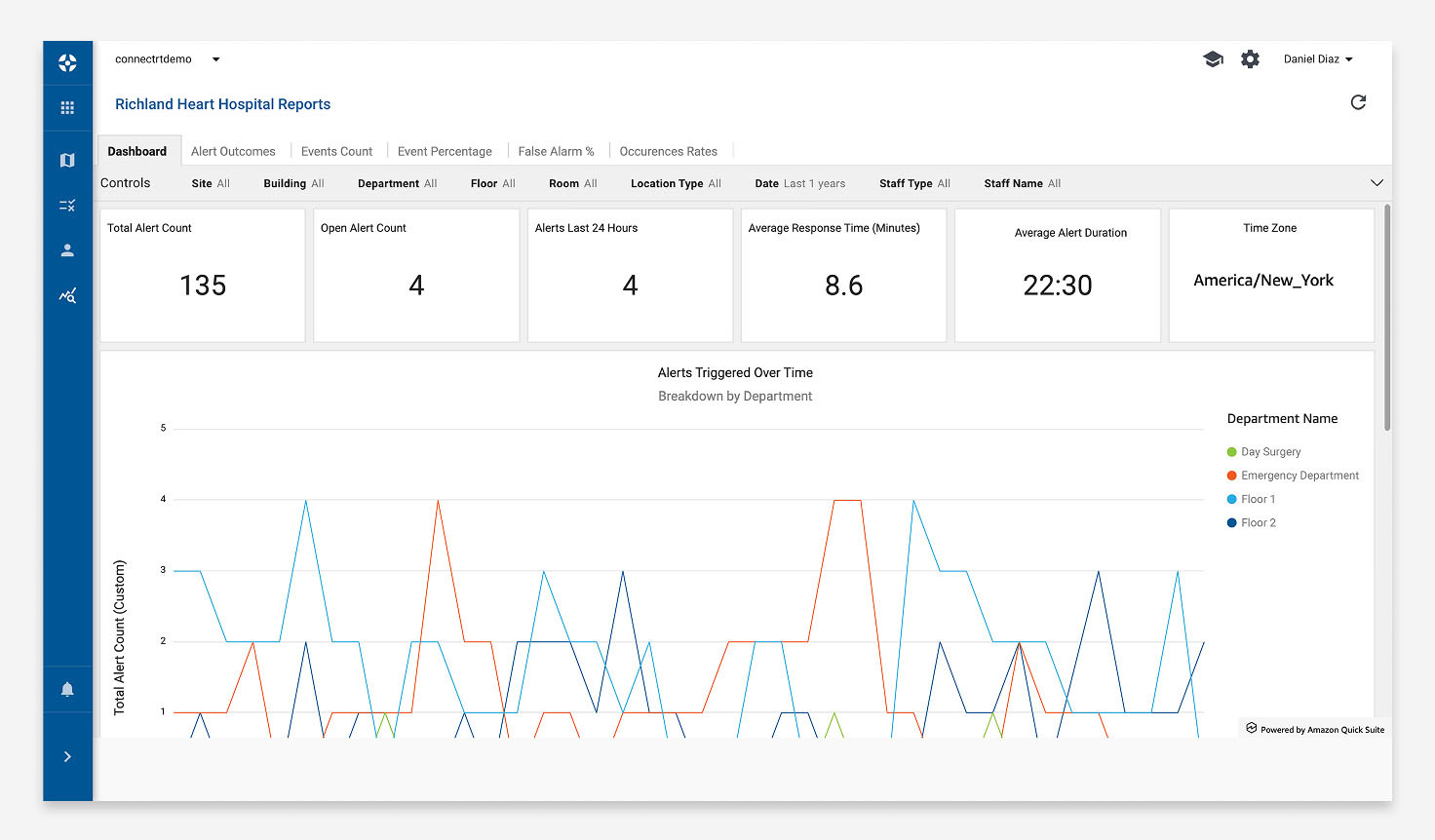
Incident reporting is a critical component of workplace violence prevention programs. With the Joint Commission elevating workplace violence prevention to a National Performance Goal in 2026, healthcare organizations face increased expectations around incident reporting, trend analysis, risk assessment, and continuous improvement.
Mobile safety technologies can help support these efforts by capturing safety event details, response activities, and incident trends. These insights enable healthcare organizations to identify recurring risks, evaluate response effectiveness, and strengthen workplace violence prevention programs.
Examples of valuable safety data may include:
Event timestamps and response timelines
Alert acknowledgment records
Incident notes and status updates
Response activity documentation
Trend analysis for workplace violence prevention initiatives
These insights can help healthcare organizations identify recurring risks, support compliance initiatives, improve emergency procedures, and strengthen overall staff safety programs.
Discover how Duressᴿᵀ Mobile helps extend staff protection beyond the hospital walls.
Building a More Comprehensive Staff Safety Strategy
There is no single solution to workplace violence. Protecting healthcare workers requires a combination of technology, policies, training, communication, and organizational commitment.
As care continues to expand beyond traditional facilities, healthcare organizations should consider how staff can quickly request assistance, share their location, and remain connected to support resources regardless of where they are working.
By extending safety programs beyond hospital walls, organizations can help improve caregiver confidence, strengthen response coordination, and support a safer work environment across inpatient, outpatient, and community-based care settings.
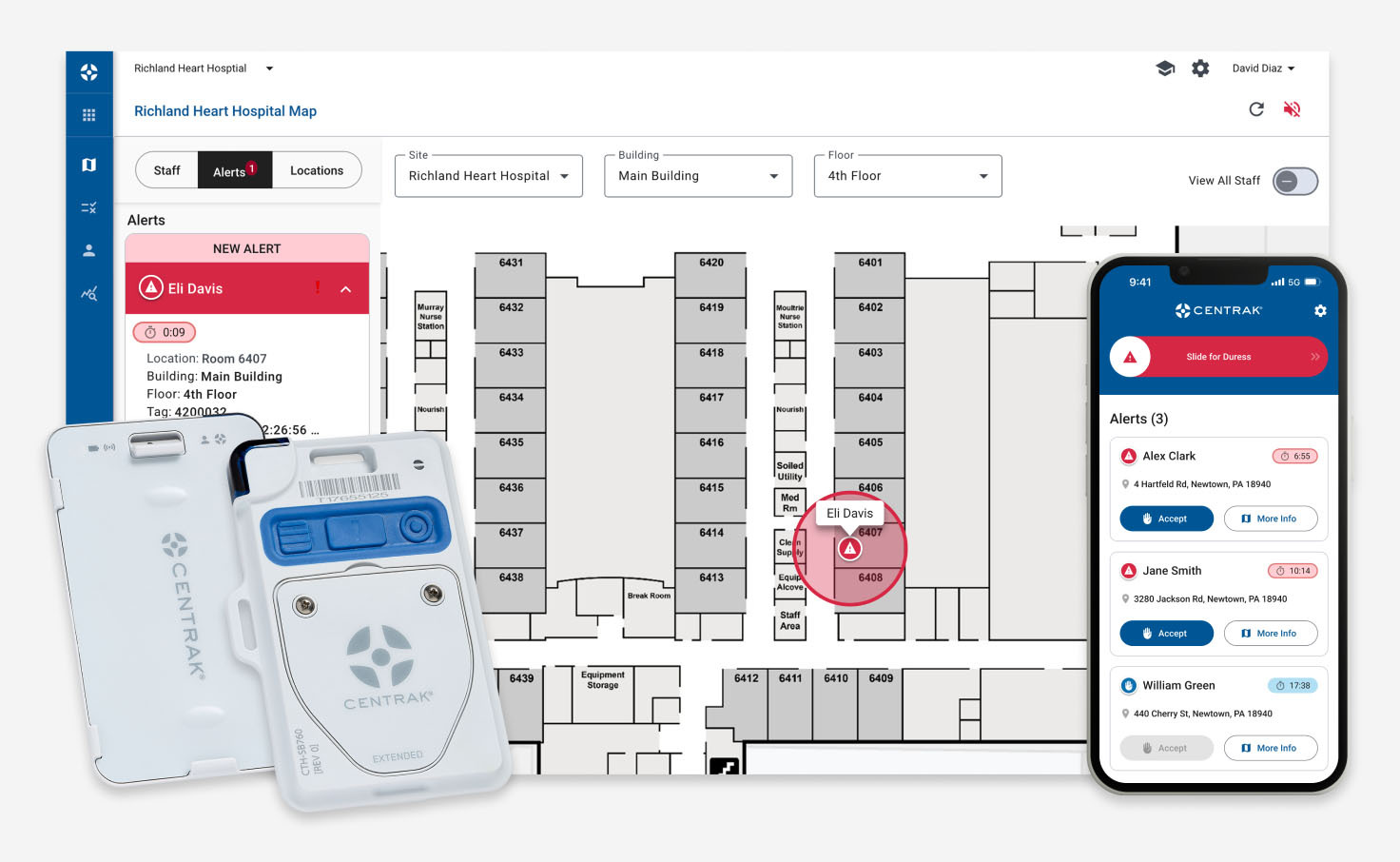
Extending Staff Safety Beyond Traditional Facility Boundaries
For healthcare organizations looking to strengthen staff safety across all care environments, CenTrak's DuressRT Mobile extends protection beyond traditional facility boundaries by providing caregivers with a discreet way to request assistance while working in community-based settings, traveling between locations, or operating outside fixed areas of coverage.
Working alongside DuressRT and the BLE Multi-Mode Staff Badge, DuressRT Mobile helps healthcare organizations support staff safety across inpatient facilities, outpatient clinics, parking areas, satellite locations, and home health environments.
Want to learn more? Explore DuressRT Mobile to see how healthcare organizations are extending workplace violence prevention and staff safety programs beyond the hospital walls.